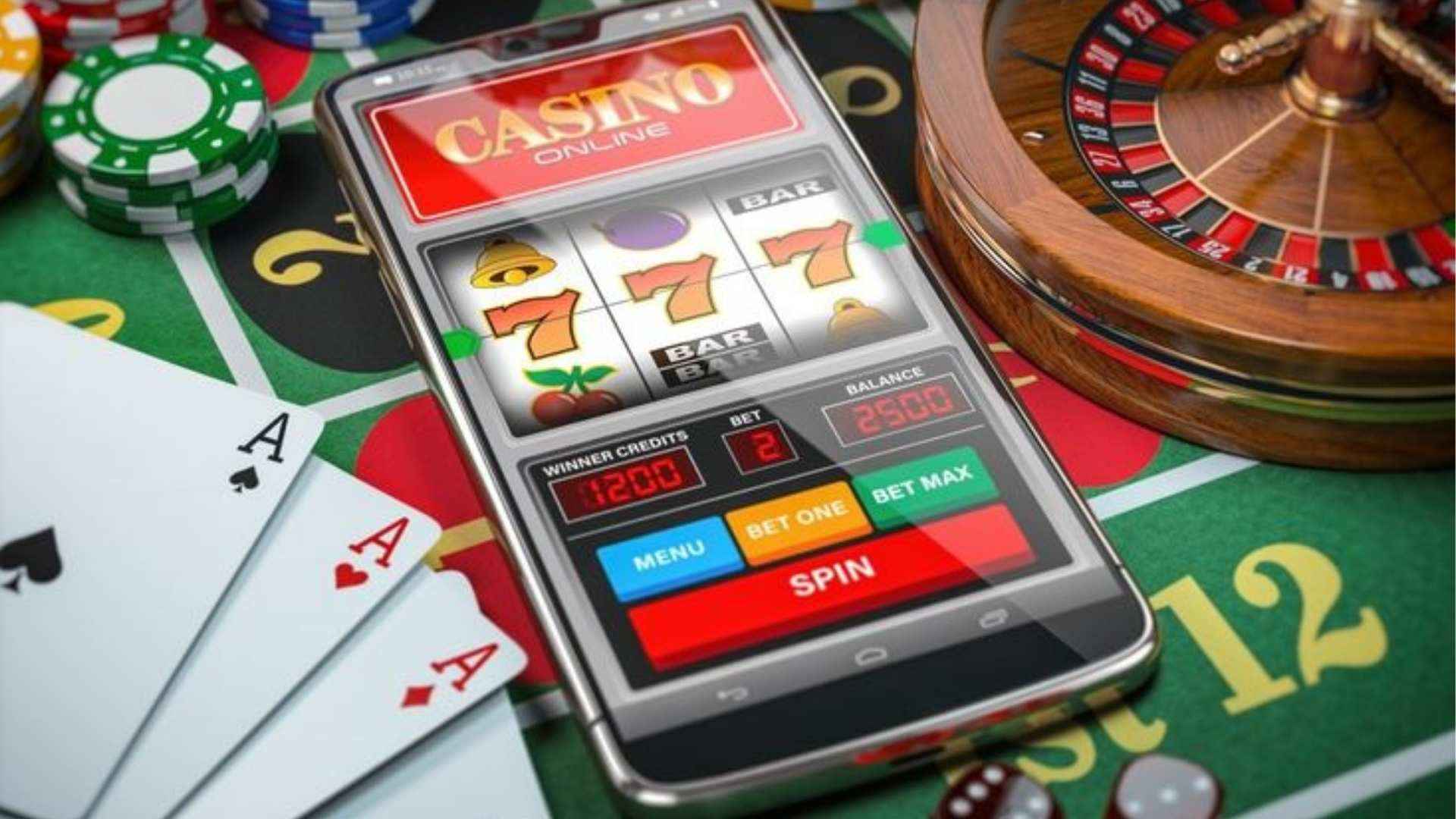
Engaging in tabletop entertainment provides a brilliant way to step away from digital screens while actively stimulating the human mind. Unlike passive activities, modern table games require participants to evaluate complex scenarios and formulate dynamic solutions in real time. This interactive environment encourages players of all ages to sharpen their analytical abilities while enjoying a deeply social setting.
The Value of Strategic Anticipation
Many classic board and card setups force players to look multiple steps ahead to secure a victory. This constant forward-looking perspective directly exercises working memory and encourages long-term planning skills. Over time, individuals learn to predict their opponents' movements and adapt their own methods based on sudden changes on the game board.
Developing this sense of anticipation helps players recognize patterns and assess potential risks before committing to a decision. These habits build cognitive flexibility, which is highly valuable for solving complex problems in everyday life. By practicing in a low-stakes environment, participants learn to manage uncertainty with confidence and composure.
Evaluating Risk Versus Potential Reward
A major component of critical thinking involves analyzing probabilities and making calculated choices under pressure. Tabletop systems frequently present scenarios where players must weigh the absolute safety of a conservative move against the high returns of a bolder choice. This decision-making process helps sharpen logical reasoning and mathematical awareness over consecutive gaming sessions.
Learning to calculate these dynamic odds ensures that players do not rely purely on luck or emotional impulses. For individuals looking to practice these risk analysis techniques online, finding a trusted platform can be a beneficial next step. Many enthusiasts choose to explore their strategic intuition by visiting a reliable M88 slot option to test their luck and observation skills. Ultimately, finding the correct balance between risk and safety is a skill that transfers directly into professional and personal finance environments.
Enhancing Social and Emotional Intelligence
Sitting around a physical table forces players to read subtle behavioral cues and engage in genuine face-to-face communication. This constant interaction naturally improves emotional regulation, as participants must handle both victories and losses with grace. Understanding an opponent's hidden motives or perspective builds strong interpersonal empathy and social awareness.
Furthermore, team-based or cooperative table games teach the importance of collective problem-solving and shared resources. Players must listen to diverse viewpoints and negotiate strategies to overcome the challenges built into the game itself. These shared experiences foster stronger family bonds and build collaborative habits that carry over into workplace environments.
Building Lifelong Mental Agility
Regularly challenging the brain with new rulebooks and tactical formats helps maintain cognitive vitality across different stages of life. Trying out fresh mechanics prevents mental stagnation by forcing the mind to build new pathways and adapt to unfamiliar systems. This continuous learning process keeps cognitive processes sharp, focused, and naturally resilient against age-related decline.
In conclusion, incorporating table games into your regular routine is a highly effective way to combine leisure with intellectual growth. The analytical habits cultivated during gameplay provide lasting rewards that extend far beyond the final score. Gathering around a shared surface remains one of the finest methods to exercise your mind and build meaningful connections simultaneously.