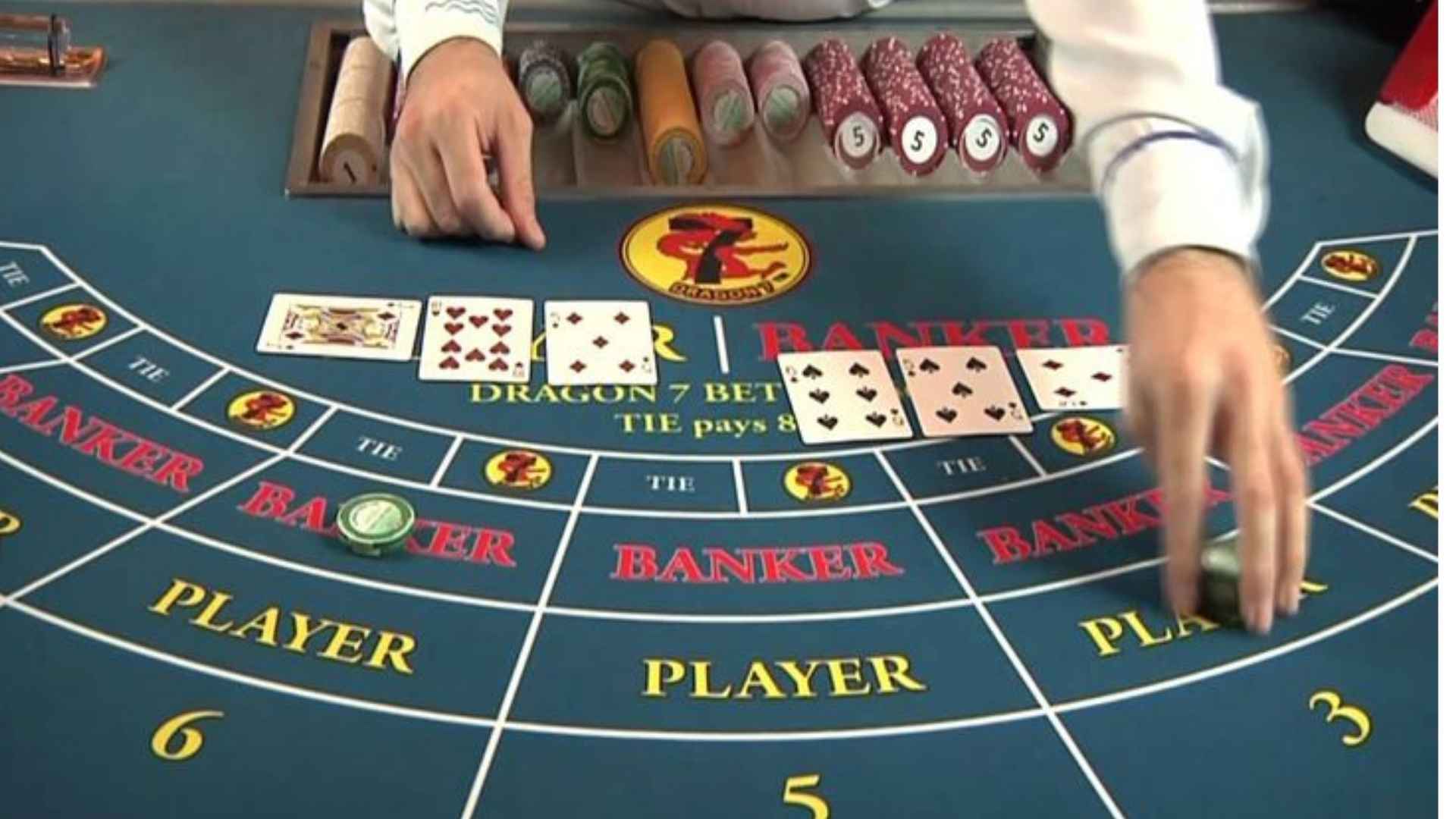
Baccarat is celebrated for its elegant simplicity and methodical progression on the casino floor. Every single round follows a strict, predetermined sequence that moves seamlessly from the initial chip placement to the final payout. Understanding this step-by-step timeline allows players to observe the table dynamics with complete clarity and confidence.
The Initial Wagering Period
Each baccarat coup begins with a dedicated betting window where participants select their preferred outcome. Players can place their chips on the Player hand, the Banker hand, or predict a Tie before any cards leave the shoe. Once the betting window closes, no further modifications or additional bets are permitted for that round.
This structured wagering phase ensures fairness and establishes clear expectations for everyone at the table. Observing player behavior across various platforms, such as m88 alternatif, shows that establishing a systematic approach to chip placement helps maintain mental discipline. Managing your stakes during this initial phase sets the foundation for a controlled gaming session.
The Deal and First Point Calculations
Immediately following the closure of bets, the dealer distributes two initial cards to both the Player and Banker positions. All cards are evaluated based on fixed point values, where face cards and tens equal zero, aces equal one, and numerical cards retain their face value. The combined total is calculated using a modulo-ten system, meaning only the final digit of the sum counts toward the score.
If either position achieves a total score of eight or nine on the initial deal, a natural win is declared immediately. In these instances, the round concludes instantly without any further drawing phase. This rapid resolution mechanism keeps the momentum lively while removing unnecessary complexity for spectators and bettors alike.
Evaluating Third Card Conditions
When neither hand receives a natural total, the table follows strict house rules to dictate whether additional cards are required. The Player hand acts first, automatically receiving a third card if its initial score falls between zero and five. If the Player hand stands on a six or seven, the Banker hand then evaluates its own total under similar guidelines.
The Banker drawing rules are slightly more intricate because they depend on both the Banker's current point total and the specific card drawn by the Player. Because these actions are entirely mandatory and handled automatically by the dealer, players do not need to make mid-game decisions. Understanding these fixed guidelines simply helps observers track the fluid movement of the cards.
Settling the Round and Distributing Payouts
Once all mandatory card draws are completed, the dealer compares the final totals of both hands to determine the winning outcome. The side closest to a total of nine wins the round, while identical totals result in a Tie settlement. Winning Player bets typically pay even money, whereas winning Banker bets may carry a minor commission due to their statistical edge.
Losing stakes are collected instantly, and winning returns are credited to participants before the next shoe sequence commences. This methodical resolution completes the full arc of a baccarat round, restoring the table layout for the subsequent deal. Following this complete sequence fosters a deeper appreciation for the rhythm and structure of modern casino gameplay.